



Get in touch with our expert team today. 01902 754 525.
Listen to Your Mouth: The Quick Guide to Oral Health & Catching Cancer Early
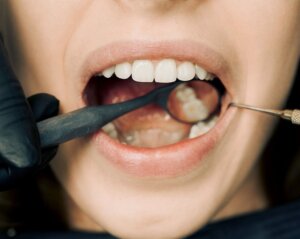
Oral cancer is one of those topics we don’t think about until we have to, but keeping an eye on your mouth is simpler than you think.
Just like checking your skin for changing moles, a quick peek inside your lips and cheeks during your brushing routine can make a world of difference.
While anyone can develop oral cancer, certain lifestyle choices and health factors can increase your risk. Understanding these can help you make safer, healthier choices for your smile.
Common Risk Factors Include:
-
- Tobacco use: Smoking cigarettes, cigars, pipes, or using smokeless tobacco (like chewing tobacco or snuff) is the leading cause.
- Heavy alcohol consumption: Regular, heavy drinking significantly boosts your risk, especially when combined with tobacco use.
- HPV infection: The Human Papillomavirus (specifically HPV-16) is a common sexually transmitted virus linked to cancers at the back of the mouth and throat.
- Sun exposure: Prolonged, unprotected sun exposure increases the risk of cancer developing on the lips.
Catching oral cancer early keeps treatment straightforward and highly successful. Here is what you should look out for:
-
- Stubborn sores: Any mouth ulcer, sore, or red and white patch that refuses to heal within two weeks.
- Unexplained lumps: New bumps, thickening, or rough spots anywhere in your mouth, throat, or lips.
- Persistent pain: Ongoing pain, numbness, or a feeling that something is constantly caught in your throat.
- Functional changes: Sudden difficulty chewing, swallowing, speaking, or moving your jaw and tongue.
If you spot something unusual, there is no need to panic. Most mouth changes are completely harmless, but it is always best to be sure. Your first step should be scheduling an appointment with your dentist or GP. They can perform a quick, painless examination to evaluate the area. If they feel it requires a closer look, they will refer you to a specialist for a quick check.
Ignoring a persistent issue can lead to serious consequences. Left untreated, oral cancer can spread to the jaw, neck, and lymph nodes. This can make later treatments far more complex, potentially impacting your ability to eat, speak, or smile comfortably.
Taking control of your oral health takes less than a minute. The next time you brush, give your smile a quick scan—your mouth will thank you for it!